Scientists See Early Signs of Seagrass Recovery in the Indian River Lagoon
Researchers caution that the fragile rebound depends on continued reductions in pollution and runoff.
By Elena Brooks
Environment ReporterFriday, June 26, 2026 · 6 min read
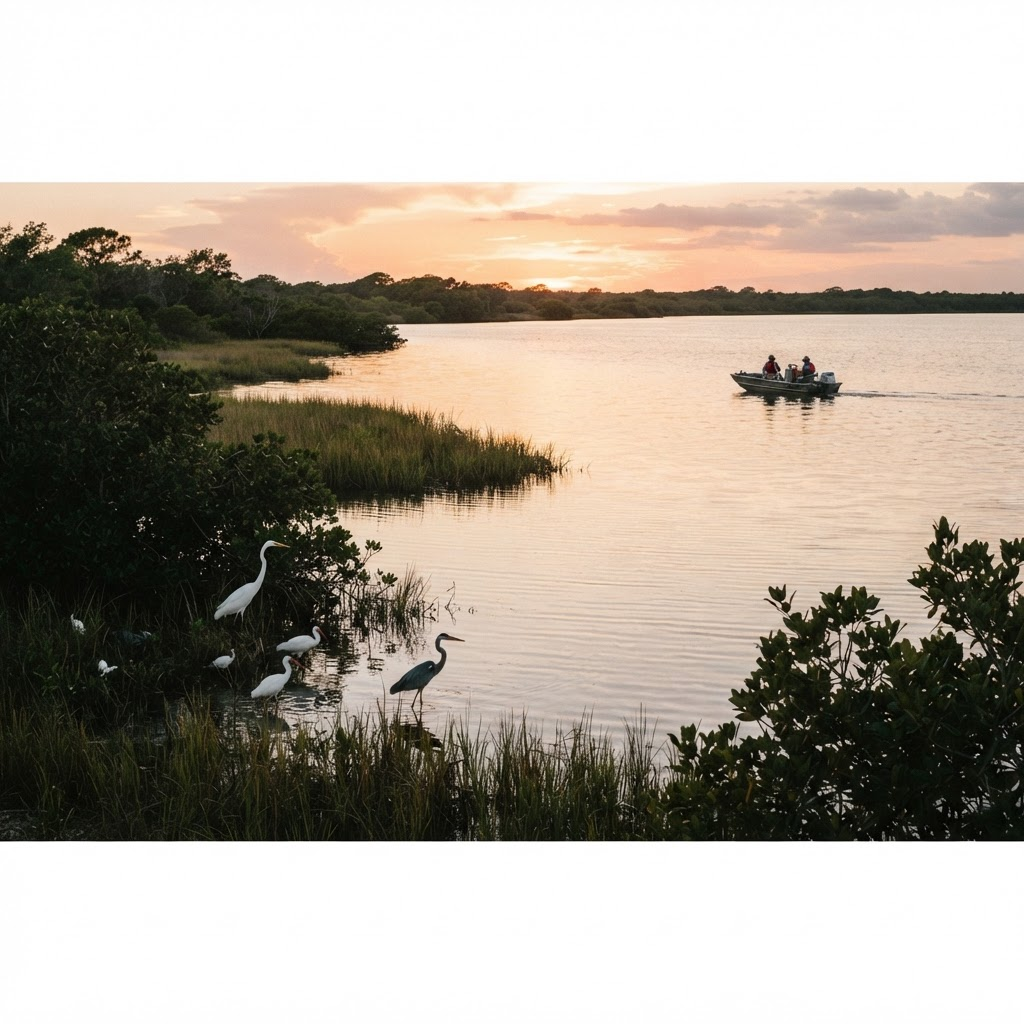
After years of devastating losses, scientists monitoring the Indian River Lagoon say they are beginning to see something they have not seen in a long time: new seagrass taking root. The early recovery, documented across several monitoring sites, offers a cautious note of hope for one of North America's most biologically diverse estuaries.
Seagrass is the foundation of the lagoon's food web and a critical food source for manatees, whose populations were hit hard by recent die-offs. Researchers stress that the rebound is fragile and could reverse quickly without sustained reductions in the nutrient pollution that fuels algae blooms.
Local advocacy groups have seized on the findings as evidence that restoration efforts are working, while urging county and state leaders to keep funding flowing.
Elena Brooks can be reached at elena@brevardsentinel.com
← Back to the Front Page